

From Waste to Biochar, Back to Nature’s Cycle
What is Biochar?Biochar: Transforming Agricultural Waste for a Sustainable Future
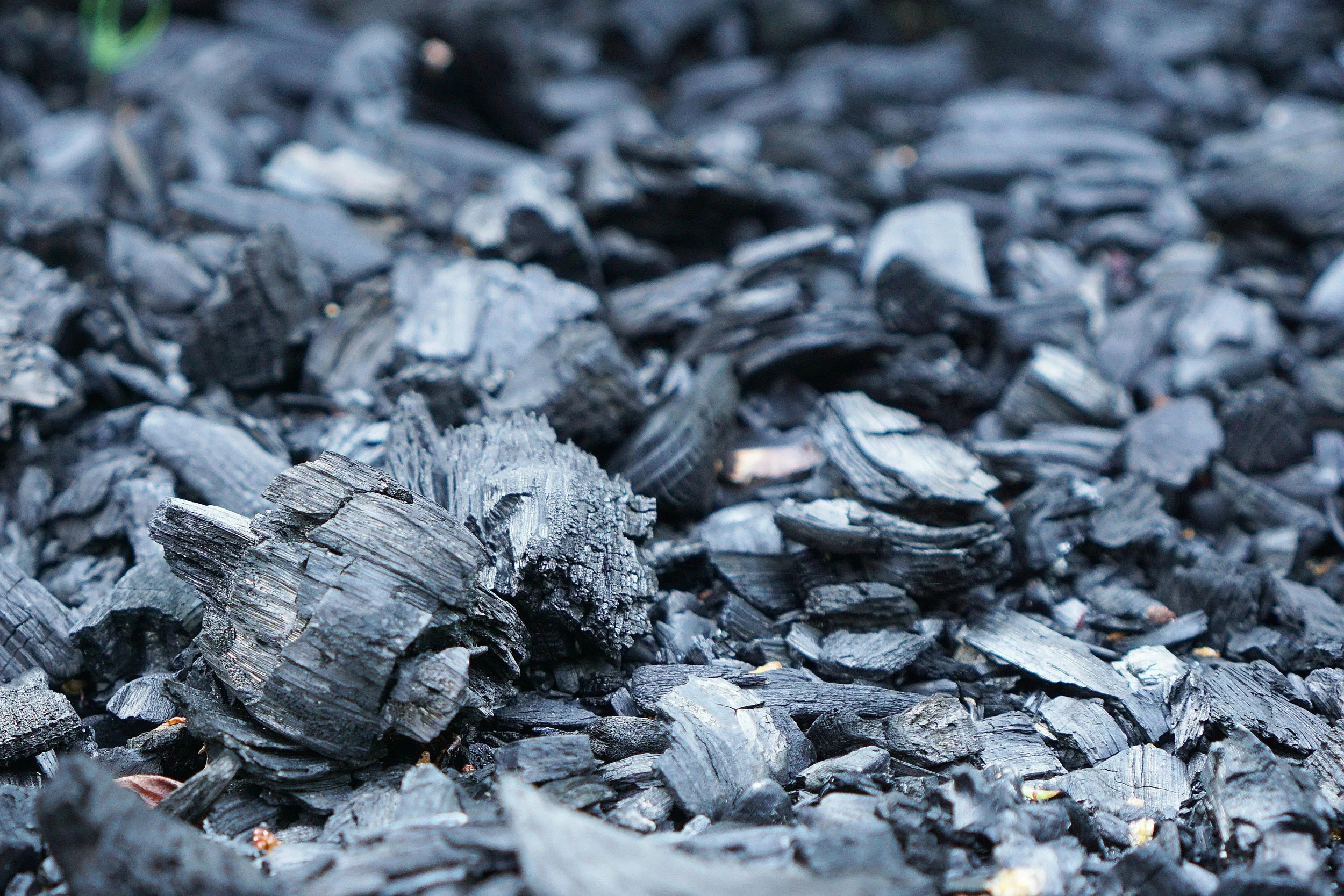
Biochar is a carbon-rich material created by heating biomass in a low-oxygen environment. We utilize agricultural waste as our biomass source. This process prevents the burning of waste, which releases harmful emissions, and instead transforms it into a stable form of carbon. This carbon is then used as a soil amendment, where it remains for hundreds of years.
We believe biochar is a simple, nature-based technology with the power to clean the air, restore the land, and build a more sustainable future for farming communities.
How it WorksOur Biochar
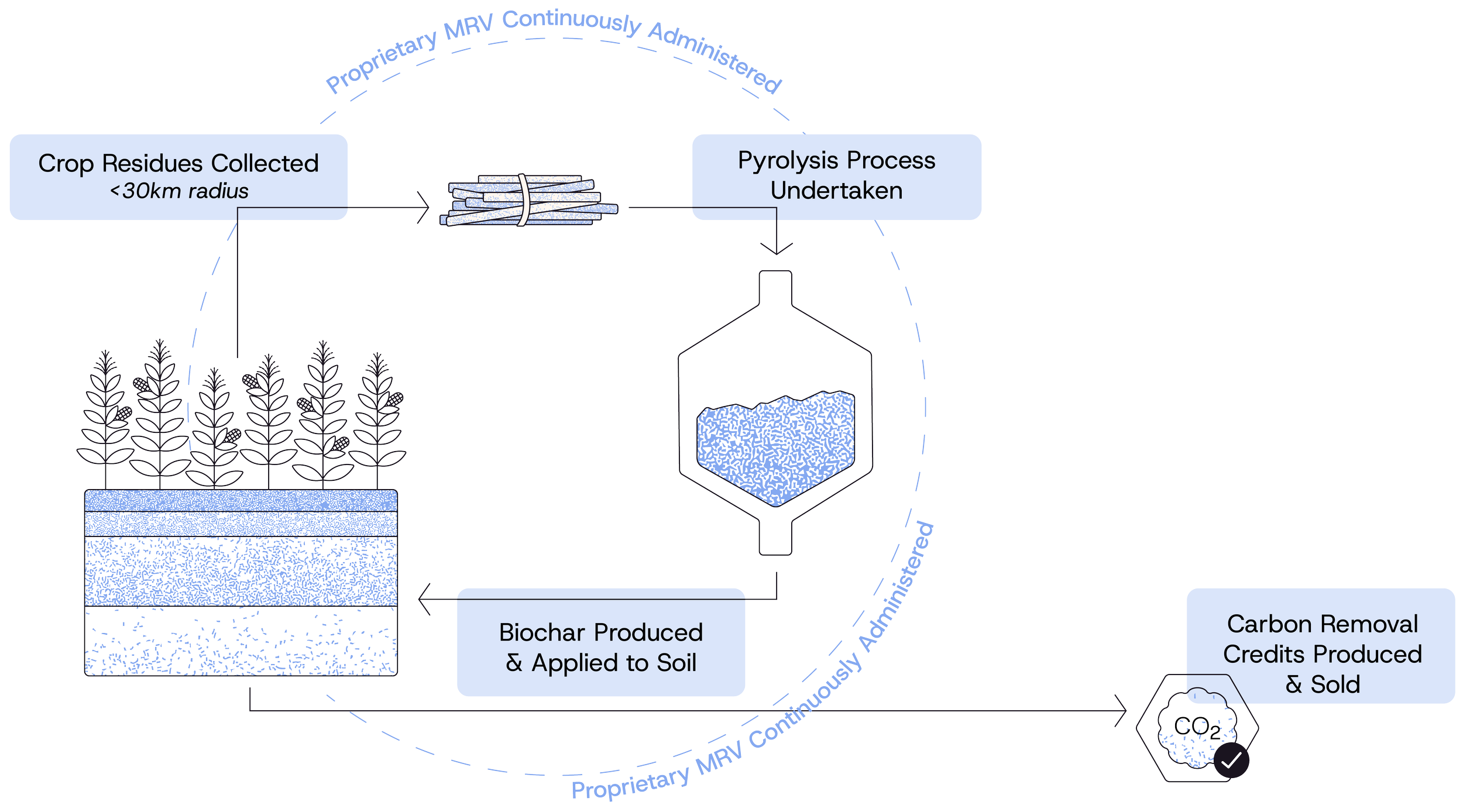
Cycle
From field to credit, we transform crop residue into biochar, trace every step with care, and ensure each tonne stored makes a lasting climate difference.
VerificationMeasuring What
Matters
Integrity underpins every claim. We combine careful internal monitoring with independent verification to ensure every carbon tonne removed and every batch of biochar meets our standards for quality, transparency, and lasting impact.
ImpactHow Biochar
Makes a Difference
-
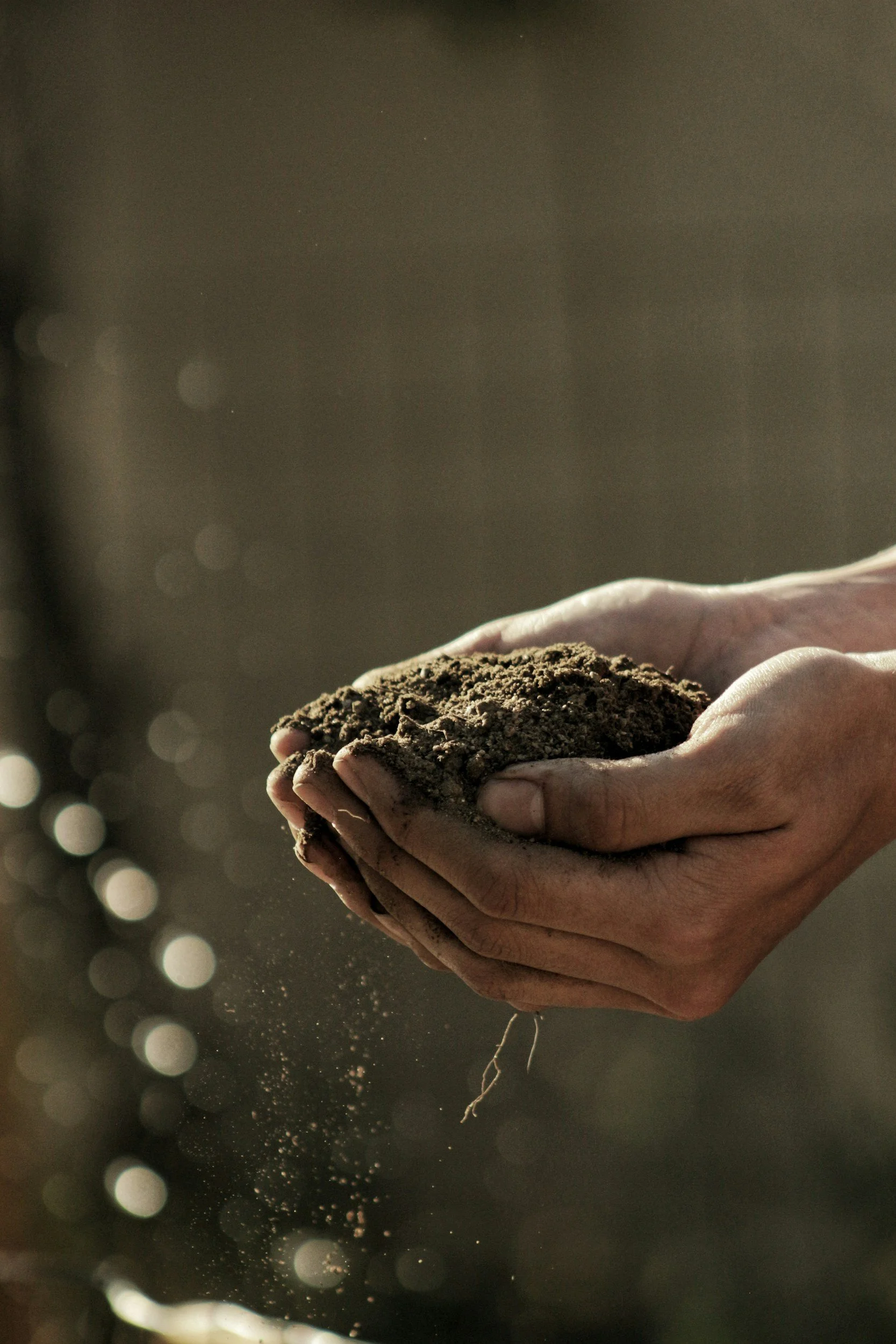
Biochar enhances soil health by improving water retention, and increasing nutrient availability. It restores long-term soil fertility, and improves its drought-resistance.
-
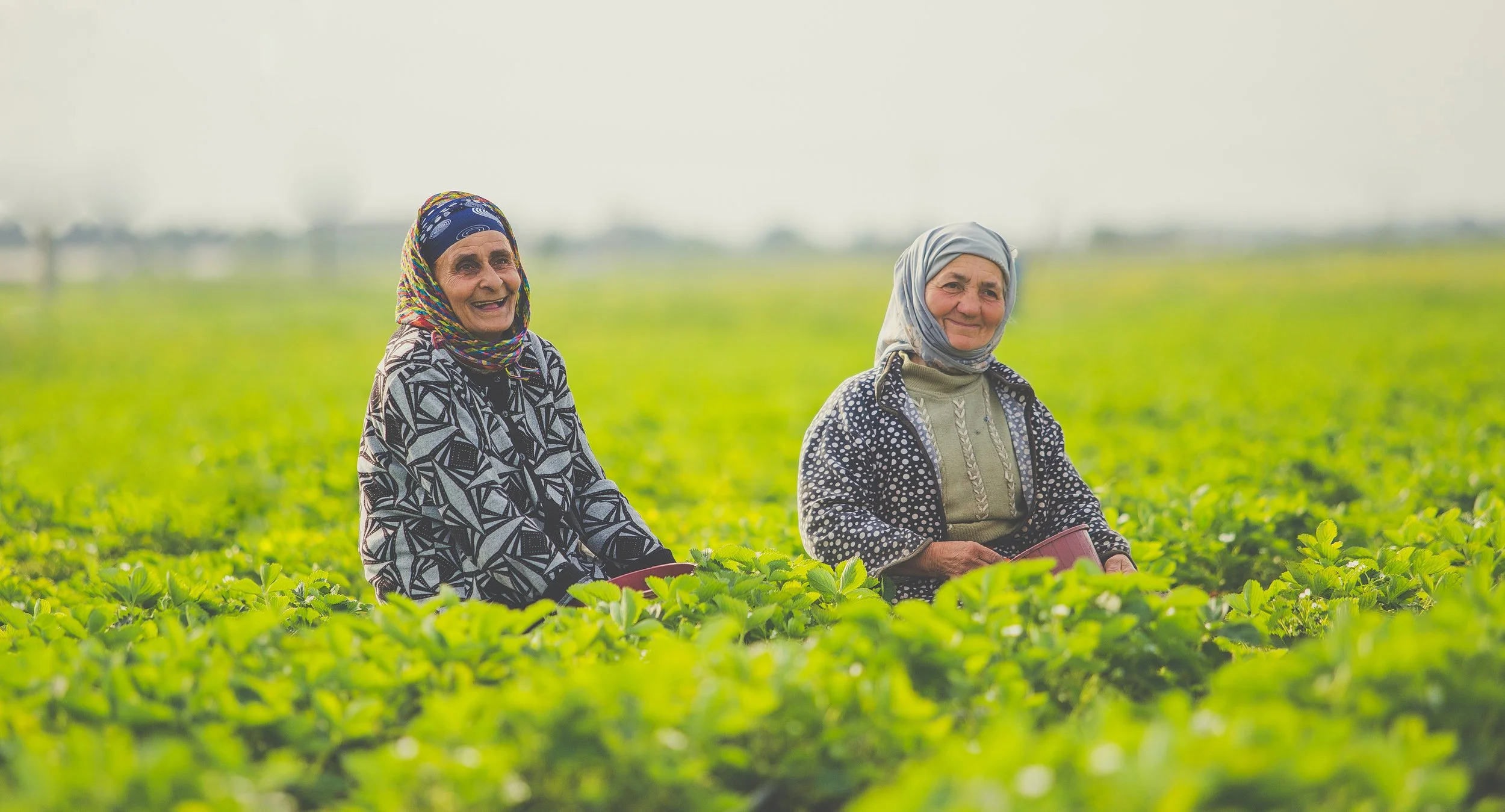
Biochar improves soil health, reducing the need for expensive, carbon-intensive fertilizers. This leads to healthier soil, increased crop yields, and more resilient harvests annually.

-
Biochar production reduces air pollution, resulting in healthier families. Local communities benefit from job creation from local biochar initiatives and agricultural byproducts.

FAQs
-
Biochar is a charcoal-like, carbon-rich material made by heating organic matter (e.g., crop waste) at high temperatures in an oxygen-reduced environment (pyrolysis). This process captures carbon dioxide, preventing its release into the atmosphere through decomposition or burning.
When added to soil, biochar improves water retention, nutrient availability, and long-term crop productivity, reducing the need for costly and carbon-intensive fertilizers. Amazonian indigenous people have used charcoal to create fertile terra preta for over 2,000 years, a soil still carbon-enriched today.
-
When organic material is heated in an oxygen-deprived environment, it prevents combustion. This process ensures that carbon does not convert into carbon dioxide and instead forms a stable solid. In this solid form, known as biochar, carbon can remain sequestered in the soil for extended periods, offering a low-technology method for carbon sequestration.
For further details, visit: https://climate.mit.edu/explainers/biochar -
Biochar significantly improves soil health. Its porous structure enhances water retention, a key benefit for arid regions like Punjab, potentially reducing farmers' water usage. It also boosts nutrient availability by improving the soil's capacity to hold vital crop nutrients such as nitrogen, phosphorus, and calcium. This minimizes reliance on costly and carbon-intensive mineral fertilisers, which are responsible for an estimated 720 million tonnes of CO₂ equivalent in annual greenhouse gas emissions.
-
Our team operates between the UK and Pakistan, with our initial project focused on Pakistan's Punjab region.